
Growth is exciting, but it can also be dangerous.
Many businesses increase their sales, hire more people, and expand operations only to suddenly face a serious problem: they run out of cash.
This is where cash flow management becomes critical.
In this guide, you will learn what cash flow is, why it matters, and how to manage it effectively to keep your business stable and growing.
Key takeaways
- Cash flow determines whether a growing business can stay operational, even when revenue looks strong.
- Tracking receivables, payables, expenses, and forecasts helps leaders avoid preventable cash shortages.
- Real-time financial tools make cash flow management more accurate and easier to control.
What is cash flow?
Cash flow is the movement of money in and out of your business. Cash in includes sales, customer payments, and investments. Cash out includes expenses, salaries, and supplier payments.
If more cash is coming in than going out, the business is in a healthier position. If not, the company can move toward trouble even when sales appear strong.
Why cash flow is more important than profit
Many business owners confuse profit with cash. A business can make a sale today, record it as revenue, and still not receive the money for 30 or 60 days.
At the same time, salaries, rent, suppliers, and daily operations still need to be paid. That is why businesses can look profitable on paper and still fail in reality.
Common cash flow problems
Cash flow problems often show up before a business fully recognizes them. Late customer payments, high expenses with low liquidity, uncertainty about current cash balance, difficulty paying suppliers, and ongoing financial stress are all common warning signs.
If any of these feel familiar, the business likely has a cash flow management issue that needs attention.
1. Track cash flow regularly
One of the biggest mistakes is only checking finances at the end of the month. By then, the business may already be reacting too late.
A better approach is to monitor cash flow weekly or even daily, track all incoming and outgoing payments, and know the exact cash position at all times.
- Review cash flow weekly or daily.
- Track every incoming and outgoing payment.
- Maintain visibility into your current cash position.
2. Speed up incoming payments
The faster your business gets paid, the healthier cash flow becomes. Slow collections create pressure even when sales are strong.
Businesses can improve this by sending invoices immediately, setting clear payment terms, offering incentives for early payment when appropriate, and following up on overdue invoices consistently.
- Send invoices immediately.
- Set and communicate clear payment terms.
- Follow up on overdue invoices actively.
3. Control and plan expenses
Cash flow problems often grow when spending happens without enough planning. Rapid growth can make this worse because costs rise before collections catch up.
Strong expense discipline means reviewing costs regularly, reducing unnecessary spending, delaying non-critical expenses, and aligning spending with real cash availability.
- Review expenses frequently.
- Reduce unnecessary costs.
- Align spending decisions with available cash.
4. Forecast your cash flow
Good cash flow management is not only about knowing what you have now. It is also about knowing what is likely to happen next.
A simple forecast that includes expected income, expected expenses, and upcoming obligations helps businesses avoid surprises and prepare ahead of time.
- Estimate expected incoming cash.
- Project expected expenses and obligations.
- Review the forecast regularly and update it.
5. Manage accounts receivable and payable
Receivables and payables directly affect cash flow. If customers pay late, cash tightens. If suppliers are paid too early or too late, the business loses flexibility or faces penalties.
Managing both sides properly means tracking who owes you, following up consistently, paying strategically, and avoiding unnecessary pressure on working capital.
- Track receivables closely.
- Follow up on overdue payments consistently.
- Schedule supplier payments smartly.
6. Build a cash reserve
Unexpected situations happen in every business. Delayed payments, operational disruptions, or sudden expenses can create serious stress if there is no buffer.
A cash reserve gives the business more stability and more time to respond well instead of reacting under pressure.
- Save part of profits when possible.
- Maintain emergency funds.
- Avoid operating with zero cash buffer.
7. Avoid overexpansion
Growth can damage cash flow when it happens too quickly. Hiring too fast, expanding inventory aggressively, or taking on too many projects can strain available liquidity.
The goal is sustainable growth, not reckless expansion. Healthy growth is paced by the business’s ability to support it financially.
- Expand at a pace cash flow can support.
- Be cautious with rapid hiring and inventory growth.
- Review the financial impact of expansion before committing.
8. Use real-time financial tools
Manual tracking makes cash flow management slower and less reliable. When updates depend on spreadsheets and scattered notes, visibility arrives too late.
Modern systems give businesses real-time insight into payments, expenses, alerts, and financial reports, making control much easier.
- Track cash flow in real time.
- Monitor payments and expenses continuously.
- Use alerts and reporting to spot changes early.
Key cash flow metrics you should track
A business does not need dozens of metrics to manage cash flow well, but it does need the right ones. Net cash flow, accounts receivable days, accounts payable days, and operating cash flow are especially useful.
These metrics show how money moves through the business and whether the company is building stability or moving toward risk.
Signs your cash flow is healthy
Healthy cash flow usually means the business can pay obligations on time, maintain extra reserves, avoid relying on debt to survive, and invest in growth with more confidence.
These are signs that financial control is supporting growth instead of lagging behind it.
Signs you have a problem
If the business is constantly waiting for payments, struggling to pay salaries or suppliers, lacking clear visibility into finances, or depending on loans and personal funds to stay stable, those are signs of a real cash flow problem.
When these signs appear, the best response is to act early rather than waiting for the situation to become urgent.
How Bruska helps businesses manage cash flow
With Bruska ERP, businesses can track cash flow in real time, monitor receivables and payables, access instant financial reports, and make smarter decisions based on connected data.
That gives leadership more control and reduces the stress that comes from scattered tools and delayed financial visibility.
Conclusion
Cash flow management is not just an accounting task. It is a survival skill for growing businesses. Companies do not fail only because they are unprofitable. They often fail because they run out of cash.
When you manage cash flow well, you reduce risk, make better decisions, and grow with more confidence.
 Bruska ERP
Take control of your cash flow
Book a demo with Bruska ERP and see how your business can track cash flow, monitor obligations, and make smarter financial decisions with one connected system.
more than 1,000 companies trust us










































More from Bruska
Continue reading

Finance
How to Prepare Financial Reports (Even If You're Not an Accountant)
Financial reports do not have to be confusing. This guide explains how business owners can prepare and use key reports even without an accounting background.
Read article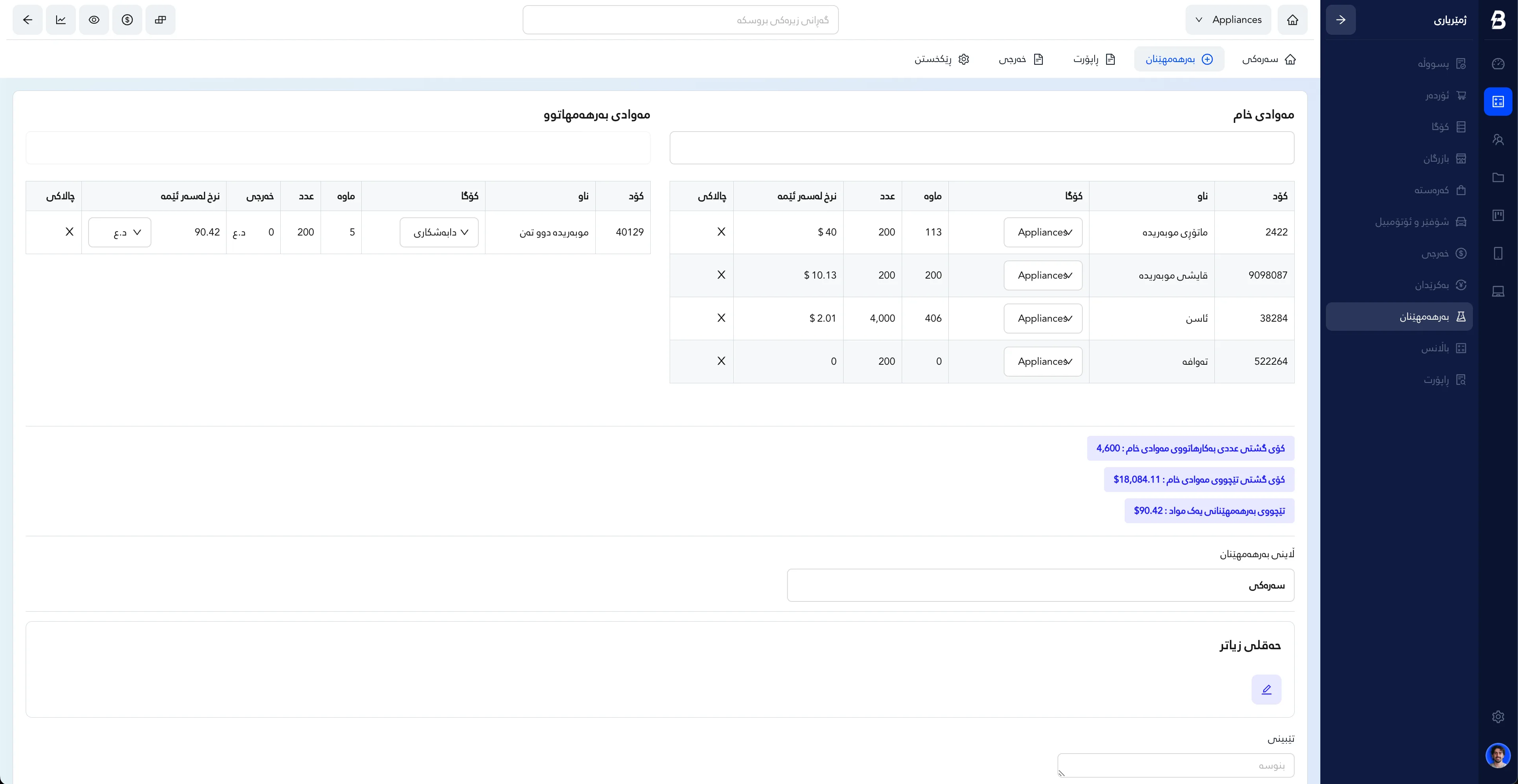
FMCG
Batch & Expiry Tracking for FMCG Businesses
Batch and expiry tracking helps FMCG businesses reduce waste, protect customer trust, and gain better control over stock movement and risk.
Read article
ERP
ERP Software for Iraqi FMCG Companies
Learn why Iraqi FMCG companies are adopting ERP software and what features matter most for distribution, inventory, finance, and field operations.
Read article