The FMCG industry in Iraq is fast, competitive, and complex.
Businesses are dealing with high-volume daily sales, distribution across cities and regions, sales agents in the field, warehouses and stock movement, expiry dates, and rapid product turnover.
Without the right system, operations quickly become chaotic.
That is why more FMCG companies in Iraq are adopting ERP software to gain control, visibility, and efficiency.
Key takeaways
- ERP helps Iraqi FMCG companies connect sales, distribution, inventory, finance, and field operations through one real-time system.
- The most important ERP capabilities for FMCG include distribution management, inventory visibility, expiry tracking, integrated finance, and operational reporting.
- The best ERP for Iraqi FMCG companies combines strong functionality with localization, ease of use, and fast implementation.
What is ERP software for FMCG?
ERP, or Enterprise Resource Planning software, is a system that connects key business operations in one platform. For FMCG companies, that usually means sales and distribution, inventory and warehouses, purchasing and suppliers, accounting and finance, and field operations.
The value of ERP is that everything runs in real time through one system instead of many disconnected tools. FMCG ERP systems are especially useful because they can handle high transaction volume, multi-location complexity, and fast operational movement.
Why Iraqi FMCG companies need ERP
FMCG businesses in Iraq face unique operational pressure. Multi-city distribution, fast-moving inventory, cash flow pressure, manual processes, and weak visibility all make growth harder to manage.
Without ERP, companies often struggle with stock mismatches, delayed reporting, poor sales tracking, and expired inventory. ERP helps solve these issues by creating structure and real-time control.
1. Sales and distribution management
FMCG success depends heavily on strong distribution. A good ERP should help manage sales agents, routes, orders, and regional performance from one connected workflow.
That improves coordination, reduces delays, and helps businesses understand what is happening across territories in real time.
2. Real-time inventory management
FMCG companies need constant visibility into what stock they have, where it is located, and how quickly it is moving.
ERP enables real-time stock tracking, multi-warehouse visibility, and better control over stockouts and overstocking. That directly improves both service quality and profitability.
3. Batch and expiry tracking
This is one of the most important ERP capabilities for FMCG. Products need to be tracked by batch, expiry dates must be monitored, and stock rotation needs to happen correctly.
Strong batch and expiry control helps businesses reduce waste, prevent losses, and protect customer trust.
4. Supply chain and procurement control
ERP connects purchasing, suppliers, and inventory so replenishment becomes more timely and organized.
That helps reduce waste, avoid stock shortages, and improve supplier coordination across the business.
5. Integrated accounting
FMCG businesses need tight financial control because operational volume is high and margins often depend on disciplined execution.
ERP allows real-time financial tracking, cost and margin analysis, and better cash flow visibility. Every operational transaction can feed financial reporting automatically.
6. Demand forecasting and planning
Guesswork is expensive in FMCG. Businesses need better demand planning so they can avoid both shortages and excess stock.
ERP helps forecast demand using business data, optimize stock levels, and support more accurate purchasing and replenishment decisions.
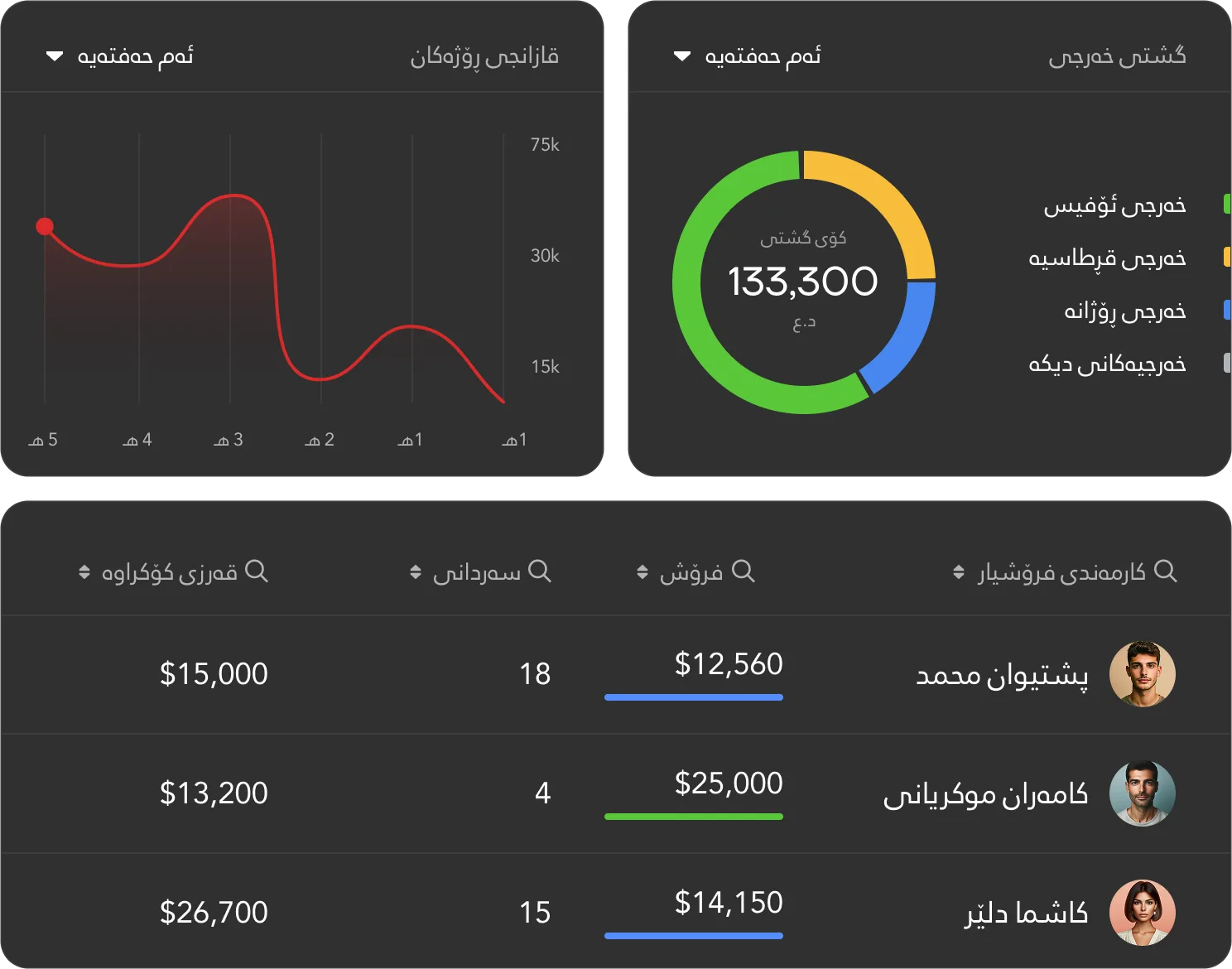
7. Real-time reporting and dashboards
Fast decisions depend on fast visibility. ERP gives management access to sales performance, inventory insights, and financial reporting without waiting for delayed manual summaries.
That allows leaders to identify issues earlier and make more confident decisions across the business.
Benefits of ERP for FMCG companies in Iraq
When implemented well, ERP improves inventory control, speeds up operations, reduces waste and losses, strengthens distribution efficiency, and gives the business better financial visibility.
Because processes are unified inside one system, duplication falls and management gains stronger insight into what is really happening.
Common mistakes without ERP
Many FMCG businesses still depend on Excel, manual tracking, and disconnected tools. That usually leads to stock errors, missed sales, poor coordination, and slower growth.
These systems may feel manageable at first, but they often become a major limitation as the business grows.
Choosing the right ERP for FMCG in Iraq
Not every ERP fits FMCG operations in Iraq. Businesses should look for strong sales and distribution workflows, real-time inventory visibility, localized accounting, multi-language support, ease of use, fast implementation, and continuous product improvement.
The best ERP is not just the one with the longest feature list. It is the one that truly fits daily operations.
Bruska ERP: built for real FMCG operations and beyond
For Iraqi FMCG companies looking for a modern, practical, and powerful ERP, Bruska stands out because it combines real operational depth with usability and localization.
Bruska is designed to support the realities of FMCG and distribution while also remaining flexible enough for other industries.
Why Bruska ERP fits FMCG businesses
Bruska offers strong FMCG and distribution capabilities including multi-warehouse management, real-time inventory tracking, batch and expiry tracking, and distribution and delivery workflows.
It also includes advanced sales and CRM tools such as visit planning, route and territory management, sales targets, and performance tracking by agent, product, and zone.
Field visibility and operational apps
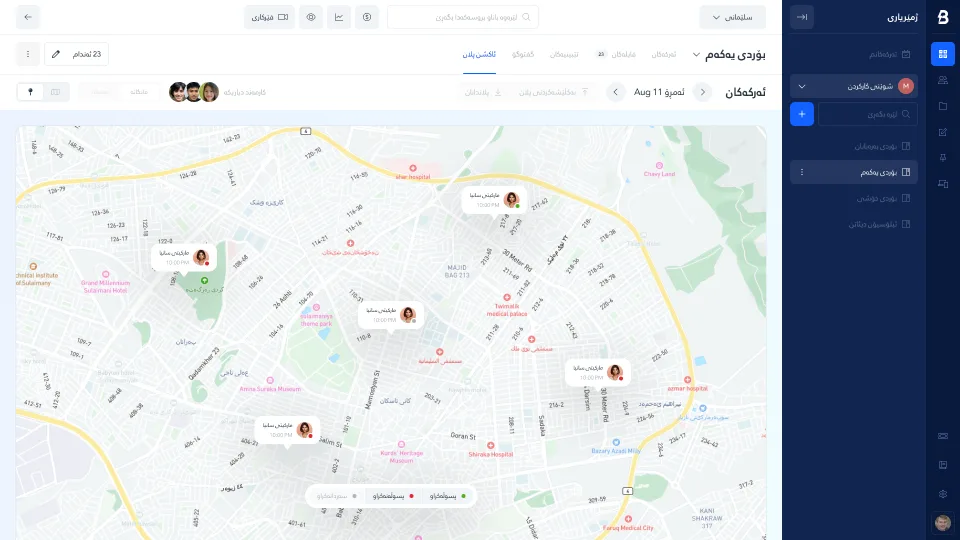
Bruska helps businesses track sales agents in real time, monitor visits and routes, and improve accountability through stronger field visibility.
It also supports operational teams with dedicated apps for merchandisers, warehouses, drivers, and deliveries so the full workflow is connected from field to warehouse.
Localized, fast, and secure
Bruska supports Kurdish, Arabic, and English, aligns with Iraqi accounting workflows, and is designed for local business reality.
It also combines quick implementation, a user-friendly experience, continuous feature updates, strong data protection, and reliable infrastructure.
Beyond FMCG
Although Bruska is especially strong in FMCG, it also works well for retail, trading, and service businesses.
That makes it a flexible platform for companies that want to grow without outgrowing their system too quickly.
Conclusion
FMCG in Iraq is becoming more competitive every year.
Businesses that continue to rely on manual systems will struggle to keep up with demand, control operations, and scale efficiently.
ERP is no longer optional for serious FMCG companies. It is a real competitive advantage.
 Bruska ERP
Take control of your FMCG business
Book a demo with Bruska ERP and see how your business can connect sales, inventory, accounting, and distribution in one localized system.
more than 1,000 companies trust us

























More from Bruska
Continue reading
ERP
Best ERP Software in Kurdistan
Explore what makes the best ERP software in Kurdistan, what features matter most today, and why localized, modern systems are gaining traction.
Read article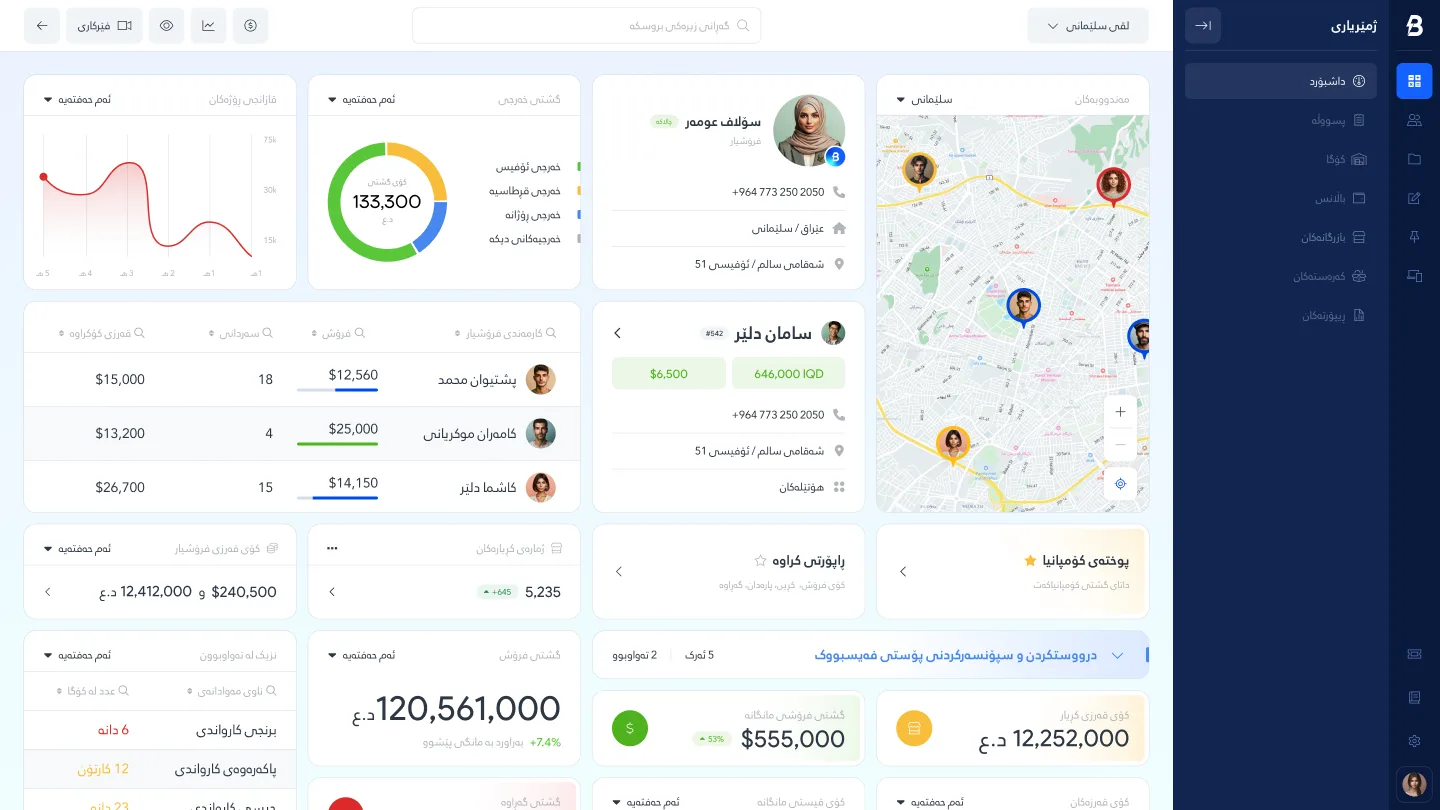
ERP
The Hidden Cost of Not Having an ERP System
Learn the hidden costs of running a business without ERP, from manual work and poor visibility to weak scalability, missed sales, and leadership burnout.
Read article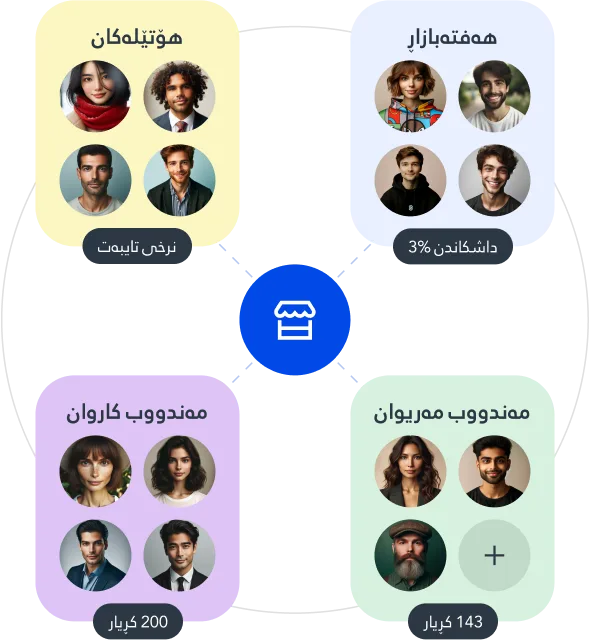
ERP
ERP vs Accounting Software: What’s the Difference?
Learn the difference between ERP and accounting software, when accounting tools are enough, and when growing businesses need a full ERP system.
Read article