Growth is exciting, but it brings new problems.
As your company scales, managing people often becomes more complex than managing products or sales. What used to work with a small team starts to break. Communication gets messy, processes become inconsistent, and visibility disappears.
Suddenly, HR becomes one of your biggest bottlenecks.
In this article, we break down the top HR challenges growing companies face and how to solve them with structure and the right systems.
Key takeaways
- HR becomes harder as companies grow because informal processes stop working at scale.
- Most HR challenges in growing businesses come from weak systems, not weak teams.
- Clear processes, real-time visibility, and automation help HR scale without chaos.
Why HR becomes difficult as you grow
In the early stage, businesses usually know every employee personally, communication is direct, and processes are informal.
As teams expand, roles multiply, and operations spread across locations, those informal methods stop being enough. Without proper systems, chaos becomes almost inevitable.
1. Lack of structure and processes
One of the biggest HR problems in growing companies is inconsistency. Different people handle the same work in different ways, which leads to confusion and weak execution.
Define clear HR processes for hiring, onboarding, attendance, and payroll. Standardize workflows across departments so the business can operate with more consistency.
2. Poor visibility into employee activities
As the team grows, many companies lose sight of what employees are doing, how productive they are, and where time is being spent.
Track employee activities in real time, use dashboards to monitor performance, and rely on data instead of assumptions. Visibility creates control.
3. Inefficient attendance and payroll management
Manual attendance tracking and salary calculations often lead to payroll errors, delays, and disputes.
Automate attendance tracking, connect attendance directly to payroll, and generate salary reports instantly. Accuracy builds trust with employees and reduces HR stress.
4. Communication breakdowns
Information often becomes scattered as companies grow. Teams rely on informal channels, updates get lost, and execution slows down.
Centralize communication inside business systems where possible, reduce reliance on fragmented channels, and keep data and updates in one place. Clear communication improves efficiency.
5. Lack of accountability
When tasks do not have clear owners, problems repeat and responsibility becomes hard to trace.
Assign clear responsibilities, track actions by employee, and review performance regularly. Accountability is one of the strongest foundations of operational discipline.
6. Difficulty managing field and remote employees
This challenge is especially important for FMCG and distribution businesses where sales agents, drivers, and field staff operate outside the office.
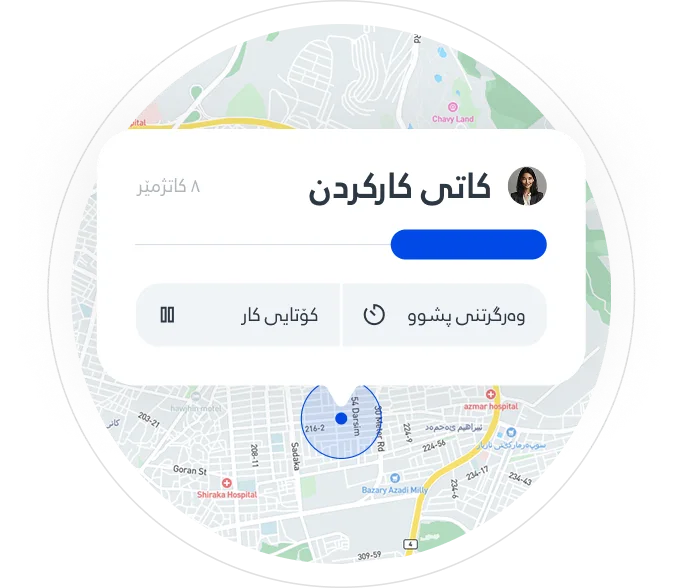
Use mobile-based tracking systems, monitor attendance and activities remotely, and use location tracking where appropriate. Field teams need flexible management tools.
7. Scaling HR without scaling chaos
As the team grows, manual work usually increases, processes begin to break, and errors multiply unless systems improve.
Automate HR processes, use systems that can scale with the team, and reduce manual intervention wherever possible. Growth should not automatically increase complexity.
8. Lack of performance tracking
Many growing businesses do not have clear KPIs or structured performance evaluation, so management decisions are based more on assumptions than evidence.
Track employee performance, department KPIs, and target achievement. What gets measured gets improved.
9. Time wasted on manual tasks
HR teams often spend too much time on data entry, calculations, and repetitive reporting work.
Automate repetitive tasks, generate reports instantly, and reduce manual workload so HR can focus more on strategic work instead of paperwork.
10. Employee dissatisfaction and turnover
When systems are weak, employees feel the consequences. Delays, confusion, unfairness, and weak communication often lead to frustration and higher turnover.
Create transparent systems, ensure fair processes, and improve clarity. Better systems usually create a better employee experience.
Signs your HR system is breaking
If you rely heavily on Excel, payroll takes too long, errors are common, performance is unclear, communication is messy, and you are constantly following up, those are warning signs.
These are usually system problems rather than people problems.
What efficient HR management looks like
Strong HR management is built on clear processes, real-time visibility, automated workflows, accurate payroll, high accountability, and systems that can scale as the business grows.
That creates a more stable, predictable, and growth-ready organization.
How Bruska helps businesses solve growing HR challenges
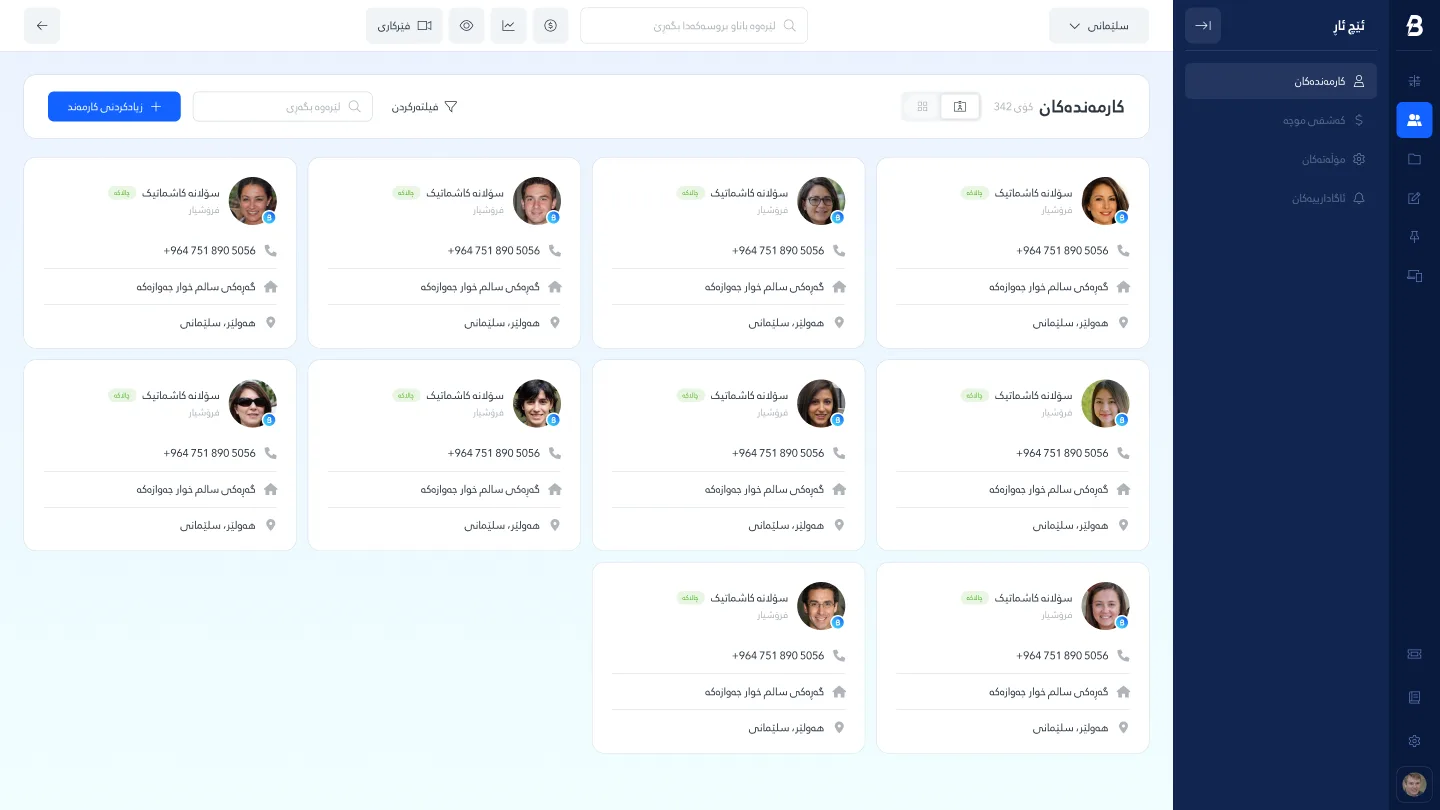
With Bruska ERP, businesses can manage employees, attendance, and payroll in one system, track employee activities and performance, support field teams with mobile apps, and automate many HR processes that usually create manual workload.
Bruska also gives management real-time visibility into the organization through a user-friendly system available in Kurdish, Arabic, and English.
Conclusion
HR challenges are not a sign of failure. They are usually a sign of growth.
But if companies do not solve them early, those challenges slow the business down, increase costs, and create operational chaos.
The solution is not more effort. It is better systems, better structure, and better visibility.
 Bruska ERP
Solve HR challenges with the right system
Book a demo with Bruska ERP and see how your business can manage employees, attendance, payroll, and field teams with more clarity and control.
more than 1,000 companies trust us










































More from Bruska
Continue reading
HR
How to Track Attendance and Salaries in One System
Learn how growing businesses can track attendance and payroll in one system to reduce errors, save time, and improve employee trust.
Read article
FMCG
Batch & Expiry Tracking for FMCG Businesses
Batch and expiry tracking helps FMCG businesses reduce waste, protect customer trust, and gain better control over stock movement and risk.
Read article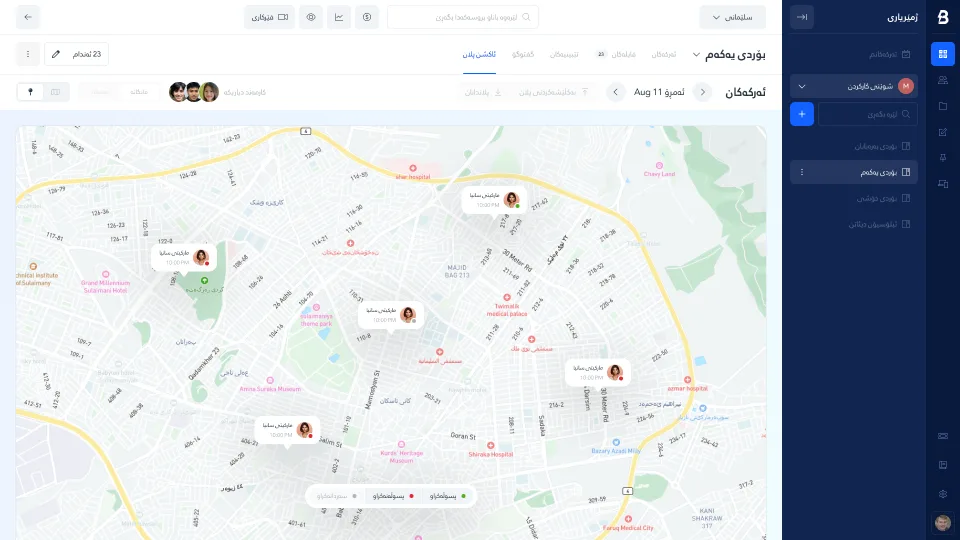
ERP
ERP Software for Iraqi FMCG Companies
Learn why Iraqi FMCG companies are adopting ERP software and what features matter most for distribution, inventory, finance, and field operations.
Read article