
Most CEOs do not fail because they lack vision.
They fail because they do not have visibility.
You can have a strong team, a good product, and growing sales, but if you do not know what is happening daily, you are making decisions in the dark.
Great CEOs do not track everything. They track the right things.
In this guide, we break down what every CEO should track daily to stay in control and scale effectively.
Key takeaways
- Daily visibility helps CEOs act early before small issues turn into expensive problems.
- The best CEO dashboards focus on a small number of critical operational and financial signals.
- The goal is not to monitor everything. It is to see the right data at the right time and make better decisions.
Why daily tracking matters
Many CEOs rely on weekly reports, monthly summaries, or occasional updates. That is often too late.
By the time a problem appears in delayed reporting, sales may already have dropped, cash may already be tight, and operations may already be affected. Daily tracking gives leadership the chance to act early.
The 5 core areas every CEO must monitor
A CEO does not need 50 metrics. What matters is visibility into a small group of critical areas: sales, cash and finance, operations, team performance, and risks and gaps.
These areas provide a practical view of how the business is performing right now and where attention is needed.
1. Daily sales performance
Sales remain the growth engine of the business, so daily sales visibility is essential.
Track total sales today, orders completed, average order value, and sales versus daily target. It is also valuable to go deeper into sales by agent, product, city, or zone to understand where growth is happening and where it is slowing down.
2. Cash position
A CEO should never guess the business cash position. Cash is one of the most important daily realities of any operation.
Track cash in hand, bank balances, incoming payments, and upcoming obligations. The goal is to know whether the business can operate safely and whether liquidity is strong enough for current needs.
3. Accounts receivable and payable
Cash flow depends heavily on receivables and payables. Even profitable companies can run into trouble if collections are slow or supplier obligations are not visible.
Track who owes you money, what you owe suppliers, and which invoices are overdue. This helps management see collection risk and payment pressure early.
4. Inventory status
Inventory is not just stock. It is cash tied up inside operations.
Track current stock levels, fast-moving products, low-stock alerts, and near-expiry items. That helps answer whether sales are being lost because of stockouts or whether cash is being trapped in excess inventory.
5. Sales team activity
This is especially important for businesses with field sales operations. Activity matters as much as results because strong results usually come from disciplined execution.
Track the number of visits per agent, planned versus actual visits, orders generated, and target progress. The real question is whether the team is productive, not just busy.
6. Operational health
Operations keep the business moving, so CEOs need quick daily signals about execution quality.
Track orders processed, deliveries completed, and any delays or issues. This helps identify bottlenecks before they create customer or revenue problems.
7. Employee performance snapshot
A CEO does not need full HR reports every day, but daily signals still matter.
Track attendance, a few key team performance indicators, and any obvious underperformance or issues. That provides a useful leadership-level view without getting lost in HR detail.
8. Geographic and market coverage
Growth often depends on coverage, especially in distribution and field-sales businesses.
Track sales by city or zone, active versus inactive areas, and customer coverage. This shows where the company is strong and where it is missing opportunities.
9. Product performance
Not all products contribute equally to growth. CEOs need a clear sense of which products are driving the business and which are dragging performance down.
Track top-selling products, slow-moving products, and products that are not selling at all. This helps guide priorities in sales, inventory, and purchasing.
10. Alerts, risks, and exceptions
This is often where the best CEOs focus most. The goal is not just to watch normal performance, but to notice unusual changes early.
Track sudden sales drops, stock discrepancies, missed targets, delayed payments, and other exceptions that need immediate attention. Fast reaction reduces risk.
What CEOs should not do
CEOs should not track everything manually, wait for end-of-day reports, rely only on verbal updates, or drown themselves in unnecessary details.
The CEO role is not to operate every part of the company. It is to oversee, interpret signals, and make decisions with clarity.
The ideal CEO dashboard
A strong CEO dashboard should be simple and focused. It should show sales today, cash position, key KPIs, alerts and issues, and team performance in one place.
Most importantly, it should be updated in real time so leadership can act with confidence rather than waiting for delayed information.
Signs you do not have enough visibility
If you constantly ask for updates, do not know today’s performance, feel uncertain about decisions, get surprised by problems, or rely on others to tell you what is happening, visibility is too weak.
Those are strong signals that the business needs better systems.
How Bruska helps CEOs stay in control daily
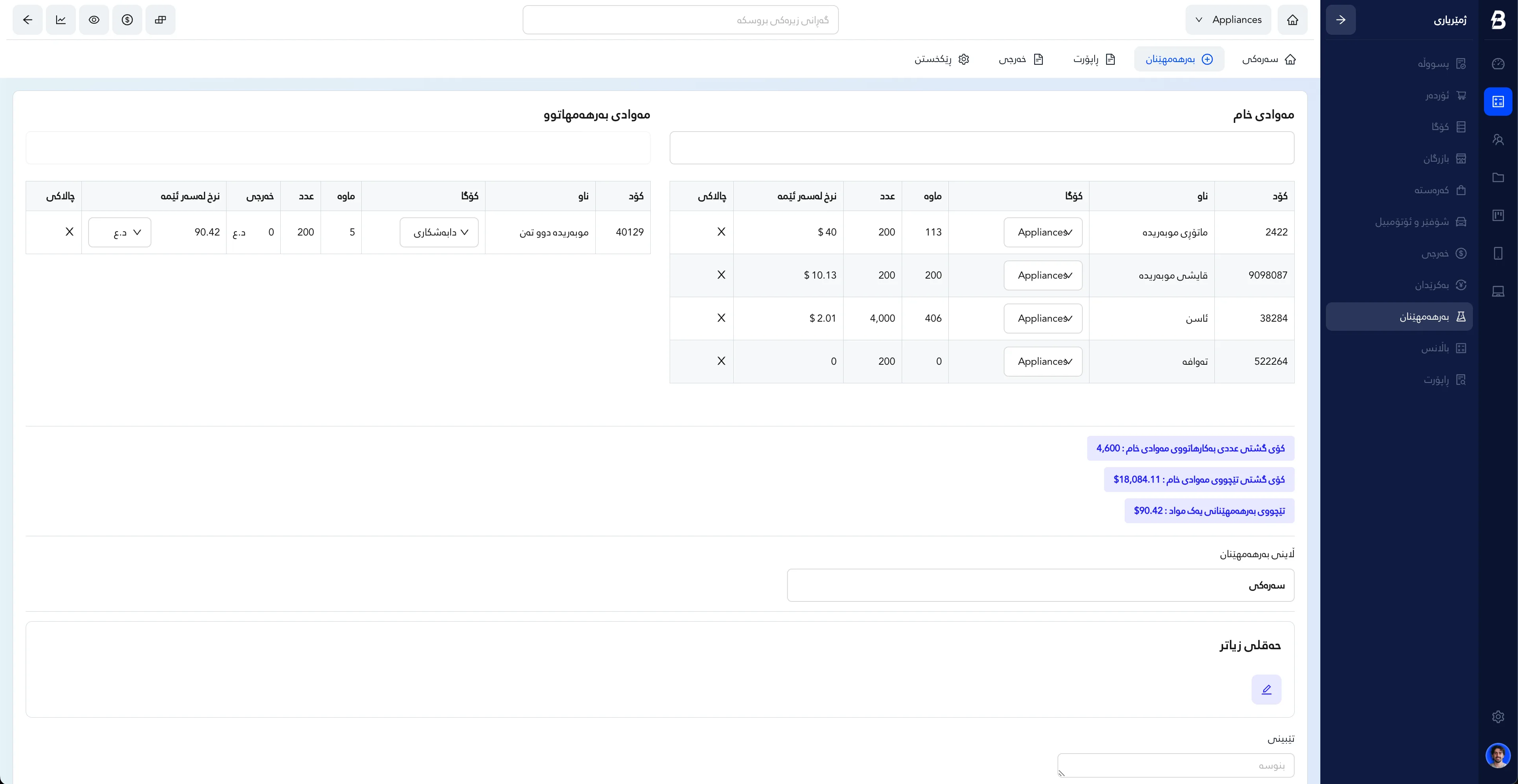
With Bruska ERP, CEOs can use a real-time dashboard to track sales, cash, inventory, and team performance instantly, monitor field activity and targets, identify risks and opportunities early, and access the business from their phone or anywhere else.
Bruska helps leadership move from delayed updates to real-time control.
Conclusion
You do not need more data. You need the right data at the right time.
When CEOs track the right things daily, they act faster, reduce risk, improve performance, and scale with more confidence.
Visibility is one of the most powerful advantages a leader can have.
 Bruska ERP
Stay in control of your business every day
Book a demo with Bruska ERP and see how your business can give leadership real-time visibility into sales, cash, inventory, and operations.
more than 1,000 companies trust us












































More from Bruska
Continue reading
FMCG
Batch & Expiry Tracking for FMCG Businesses
Batch and expiry tracking helps FMCG businesses reduce waste, protect customer trust, and gain better control over stock movement and risk.
Read article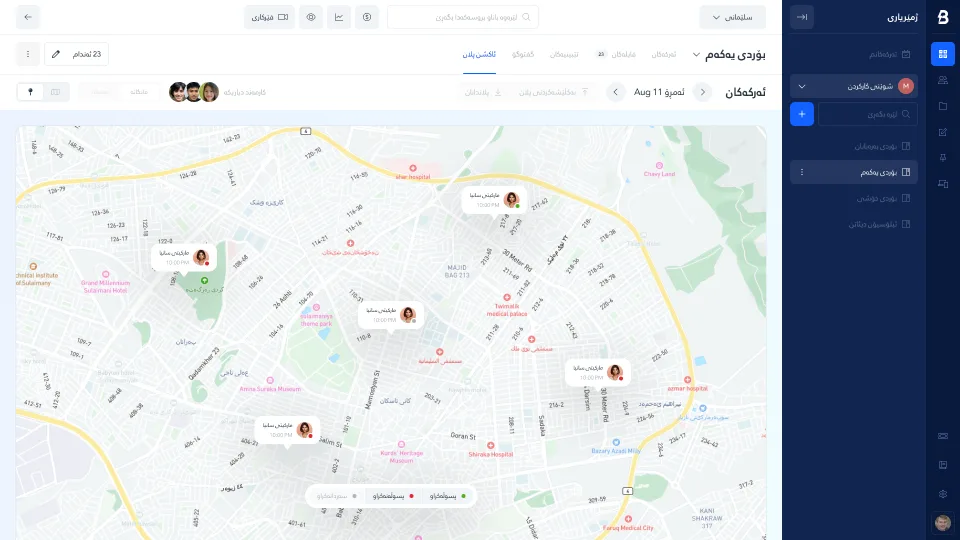
ERP
ERP Software for Iraqi FMCG Companies
Learn why Iraqi FMCG companies are adopting ERP software and what features matter most for distribution, inventory, finance, and field operations.
Read article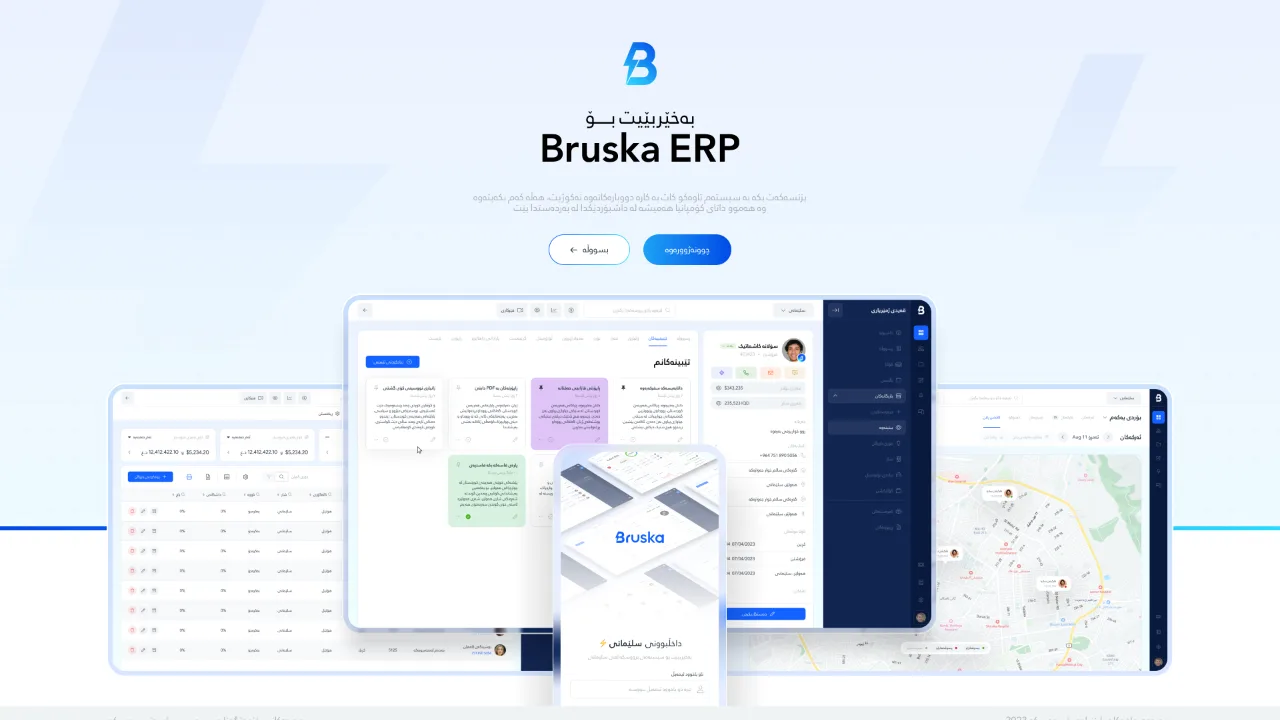
Accounting
Best Accounting Software for Businesses in Iraq
Explore the best accounting software options for businesses in Iraq and learn what matters most in localization, usability, integration, and real-time financial control.
Read article